1
Oct 23, 2018
In the summer of 2017, Forest & Bird committee member Stefan Fairweather took six months off work to walk the length of New Zealand on the Te Araroa trail. He has written a book on his journey entitled “North to South“. Kia ora from Christchurch, People often ask me “why did you do it?” and […]

May 9, 2018
Ken Warin is a keen recreational fisherman and one of 50 passionate people who joined Forest & Bird’s campaign action group to save the Hauraki Gulf. He wants to see strong stewardship for the marine environment of the gulf. Here he talks about what the gulf means to him, and why he joined the campaign. […]
Apr 20, 2018
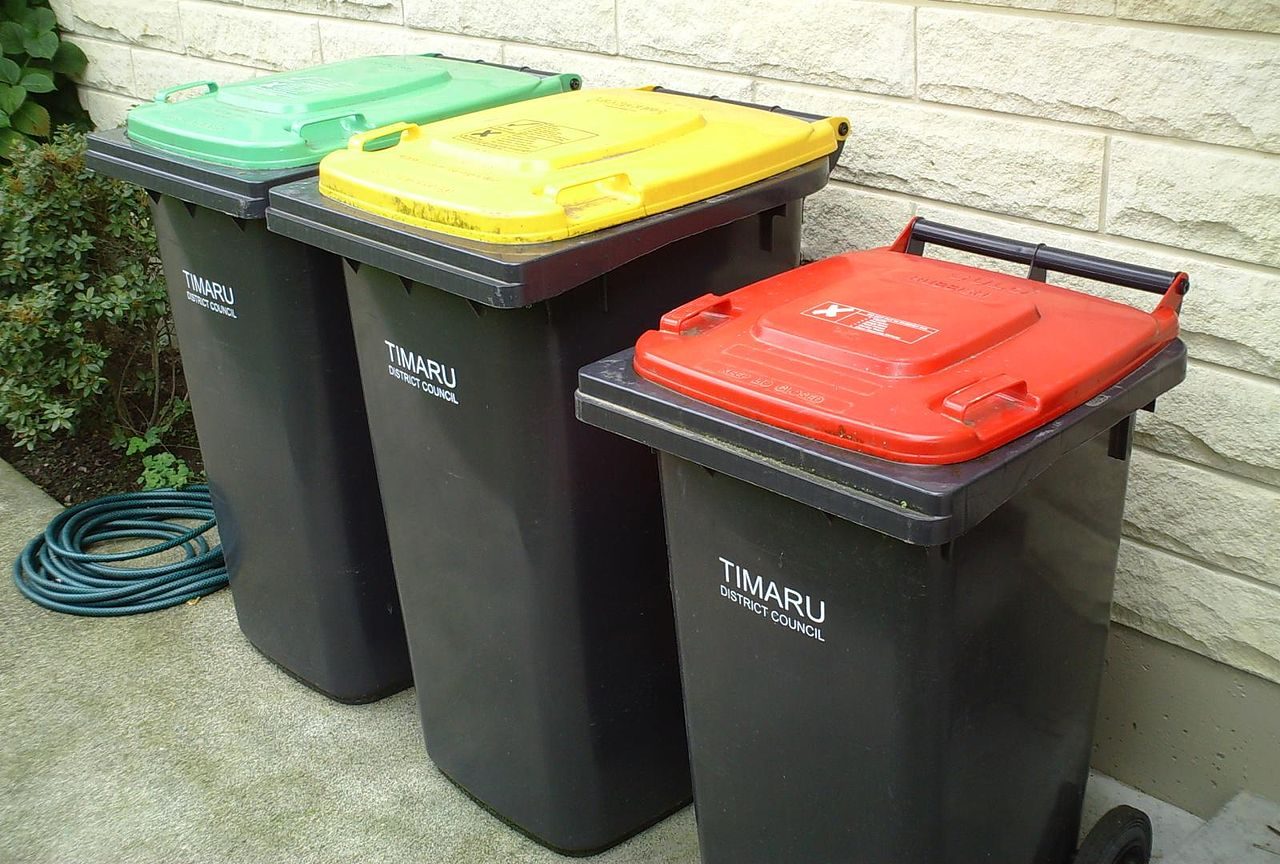
While local authorities are responsible for waste disposal, it is our waste that needs dealing with, so we all have an important role to play. Avoiding more waste has to be the first principle, the very least we can do is reduce waste and help make the environment more sustainable. According to the Timaru District […]

Mar 15, 2018
Protect one species and resurrect a whole forest. Ann Graeme shares her personal stories of native New Zealand birds and insects that have returned after community pest control is carried out for another species. She calls it the “Lazarus effect”. It rained in the night. My pack is heavy with rat bait, and I am […]

Jun 22, 2017
Jean Fleming unpacks the motivations of environmental volunteers in New Zealand. Waking in my new home on that first morning, I jumped out of bed and flung open the doors to the deck, breathing in the sounds and smells of life at Waikanae Beach. Immediately, there was a peel of tūī calls from the tall […]
Mar 25, 2009
Guest blogger: Kakapo nest-minder, Emma Gilkinson It’s 8.30 pm and I’m glued to the black and white screen. Sarah the Kakapo is the star of the show. At the moment she is a still feathery pillow with eyes like shiny black berries that open and close from time to time. I’m sitting in a tent […]
Feb 25, 2009
Forest & Bird’s Bat Survey Officer, Top of the South, Brian Lloyd Tasked with the job of surveying bat populations in the top of the South island, I have spent many summer days setting out bat detectors around the countryside in the hope that they pick up the high frequency echolocation (or clicks) that bats […]