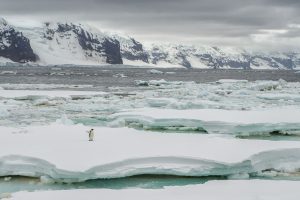
Don’t forget – it’s the little things that count
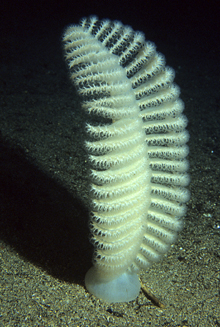
Sea pens reach a height of about 20 centimetres and can be found around Fiordland. Photo: Malcolm Francis.
When we think of life in the ocean we often think of our whales, our dolphins, fish and crayfish – things we can see and things that can see us. But actually the building blocks of life in our sea – that provide us with the oxygen we breathe, absorbs the carbon dioxide we pump into the air and regulates the weather and ocean cycling – is actually invisible to the human eye. They are microscopic. They are our plankton, diatoms and foraminifera. Our what?
Exactly. Seldom do we celebrate the very morsels that the rest of our marine wildlife could not do without. Well here’s our chance.
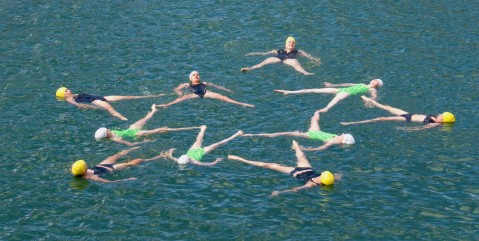
The Wellington Girls' synchronised swimming team, and Forest & Bird volunteers form a human starfish
Yesterday marked the first day of Seaweek 2009 and to kick things off, Forest & Bird and the Wellington Synchonised Swimming Club took to the water to become synchronised swimming starfish and jellyfish. Although well known, these creatures don’t often get the praise they deserve. Now take jellyfish as an example. Jellyfish are generally only thought of in a negative light, but they actually play a very important role in our ecosystems. Most often comprising a whole community of animals rather than one singe entity, jellyfish provide shelter for a number of juvenile oceanic species and they are also eaten by a variety of sea life such as turtles. Seaweek is an opportunity for all of us to celebrate and enjoy all of our marine places and species.
This Seaweek you can:
- meet 95 of our endangered sea lions at Parliament in Wellington
- track a sea turtle
- gawk at the gannets at Muriwai
- meet and great fellow marine enthusiasts at Blue Wellington’s film night extravaganza
- create your own creatures – from sand, recycled materials – you name it
There’s beach cleans galore – even underwater ones – and so much more. Visit Forest & Bird’s web site or the national Seaweek web site (www.seaweek.org.nz) for more information. And remember, it’s the little things that count.
To find out about some of the small things you can do to make a BIG difference – click here.
And if you’re not brave enough to leap into our waters, we’ve provided a photographic showcase below of some the super-small creatures that fill our oceans.
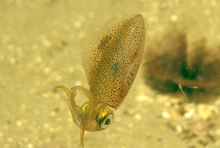
A 4cm long bumble bee squid. Photo: Malcolm Francis
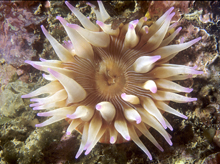
This Dahlia anenome measures 6 centimetres. Photo: Malcolm Francis
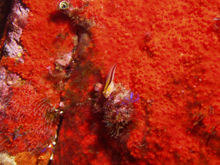
A crested blenny, 4cm, Poor Knights
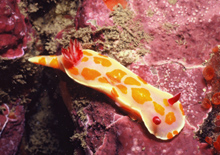
A clown nudibranch, or sea slug, 6 mm. Photo: Kirstie Knowles.